Elevate Your Space: Infusing Spiritual Serenity with Mandala Designs
In our fast-paced modern world, finding moments of peace and tranquility has become increasingly essential for our mental and emotional well-being. One powerful way to create a sanctuary within your home is through the thoughtful integration of mandala designs. These ancient, sacred geometric patterns have transcended centuries and cultures, offering not just aesthetic beauty but also profound spiritual significance. At DemiVega, we believe that your living space should be a reflection of your inner peace and spiritual journey. This comprehensive guide will explore how you can elevate your space by infusing spiritual serenity through mandala designs, transforming your environment into a haven of calm and contemplation.
Understanding Mandala: The Sacred Geometry of Spirituality
The Origins and Meaning of Mandalas
Mandalas, derived from the Sanskrit word meaning "circle," represent wholeness, unity, and the infinite nature of the universe. These intricate geometric patterns have been used for thousands of years in various spiritual traditions, particularly in Hinduism and Buddhism. The mandala serves as a visual representation of the cosmos, with its concentric circles and symmetrical designs symbolizing the journey from the outer material world to the inner spiritual realm.
The beauty of mandalas lies in their universal appeal and adaptability. While rooted in Eastern spiritual traditions, mandalas have become a global phenomenon, appreciated by people of all backgrounds and belief systems. Whether you're deeply spiritual or simply drawn to their aesthetic appeal, mandalas offer a gateway to deeper contemplation and mindfulness.
The Spiritual Significance of Mandala Patterns
Each element within a mandala carries specific spiritual meaning. The center point, known as the bindu, represents the source of all creation and the divine spark within each individual. The concentric circles radiating outward symbolize the expansion of consciousness and the interconnectedness of all things. The geometric patterns and symmetrical designs reflect the order and harmony found in nature and the universe.
Different colors within mandalas also hold spiritual significance. Red represents passion and energy, blue symbolizes peace and communication, yellow embodies joy and intellect, green signifies healing and growth, and purple represents spirituality and transformation. By understanding these symbolic elements, you can choose mandala designs that resonate with your personal spiritual goals and intentions.
The Psychological Benefits of Mandala Designs in Your Home
Creating a Calming Atmosphere
The symmetrical nature of mandalas has a naturally calming effect on the human mind. When we view these balanced, harmonious patterns, our brains respond by reducing stress and anxiety. The repetitive geometric elements encourage our minds to slow down, promoting a meditative state even when we're not actively meditating. This is why mandala designs are increasingly recommended by therapists and wellness professionals as tools for mental health and emotional balance.
Incorporating mandalas into your living space creates an environment that actively supports relaxation and peace. Unlike chaotic or overstimulating decor, mandala designs provide visual harmony that allows your nervous system to settle into a more relaxed state. This is particularly beneficial in bedrooms, meditation rooms, and living areas where you spend significant time unwinding.
Enhancing Focus and Mindfulness
Beyond relaxation, mandalas serve as powerful tools for enhancing focus and mindfulness. The intricate patterns naturally draw the eye inward, encouraging contemplation and deep thought. Many people find that simply gazing at a mandala design for a few minutes can help clear mental clutter and improve concentration. This makes mandalas particularly valuable in home offices and study spaces.
The practice of mandala coloring, which has gained popularity in recent years, demonstrates the therapeutic benefits of engaging with these designs. The act of coloring within mandala patterns requires focus, patience, and presence, making it an excellent mindfulness practice that can be incorporated into your daily routine.
Choosing the Right Mandala Designs for Your Space
Assessing Your Space and Style
Before selecting mandala designs for your home, take time to assess your existing decor and personal style. Consider the color palette of each room, the overall aesthetic you're trying to achieve, and the mood you want to create. A minimalist space might benefit from simple, monochromatic mandalas, while a more eclectic room could accommodate vibrant, multi-colored designs.
Think about the size and scale of the mandalas you choose. Large mandala wall art can serve as a focal point in a room, while smaller pieces can be grouped together to create visual interest. The placement of mandala designs is equally important—consider hanging them at eye level where they can be easily appreciated and contemplated.
Matching Mandalas to Room Functions
Different rooms in your home serve different purposes, and your mandala selections should reflect these functions. For bedrooms, choose mandalas in calming colors like soft blues, purples, and greens. These colors promote relaxation and better sleep. Consider designs with gentle, flowing patterns that encourage rest and rejuvenation.
In meditation or yoga spaces, you might opt for more intricate, detailed mandalas that support deeper spiritual practice. These designs can serve as focal points during meditation, helping to anchor your attention and deepen your practice. Living rooms and common areas can accommodate a wider variety of mandala styles, from traditional designs to contemporary interpretations.
Home offices benefit from mandalas that enhance focus and clarity. Choose designs with strong geometric patterns and colors that promote mental alertness, such as yellows and oranges, balanced with calming elements. Bathrooms can feature mandalas that promote cleansing and renewal, with designs that evoke water and flow.
Color Psychology in Mandala Selection
Understanding color psychology is crucial when selecting mandalas for your space. Each color carries different energetic properties and psychological effects. Red and orange mandalas energize and stimulate, making them suitable for creative spaces and areas where you want to encourage activity. Blue and green mandalas promote calm, healing, and balance, ideal for bedrooms and relaxation areas.
Purple and indigo mandalas support spiritual growth and intuition, making them perfect for meditation spaces and personal sanctuaries. Yellow mandalas enhance clarity and optimism, beneficial in home offices and study areas. White and silver mandalas represent purity and new beginnings, while black mandalas ground and protect. Consider your intentions for each space and select colors that align with your goals.
Incorporating Mandala Designs Throughout Your Home
Wall Art and Murals
One of the most impactful ways to infuse mandala designs into your space is through wall art. Large mandala prints or canvas paintings can serve as stunning focal points that immediately transform a room's energy. Whether you choose a single statement piece or a gallery wall arrangement, mandala wall art draws the eye and creates a sense of harmony and balance.
For those seeking a more permanent solution, mandala wall murals offer an immersive experience. A full wall mandala mural can completely transform a space, creating a meditative sanctuary that envelops you in spiritual serenity. This approach works particularly well in bedrooms, meditation rooms, or yoga studios where you want to create a deeply immersive spiritual environment.
Textiles and Soft Furnishings
Mandala designs on textiles bring both comfort and spiritual energy into your home. Mandala tapestries can be hung on walls or draped over furniture, adding texture and visual interest while maintaining the spiritual essence of the design. These versatile pieces can be easily changed or repositioned, allowing you to refresh your space seasonally or as your spiritual practice evolves.
Mandala throw pillows and cushions add comfort and style to sofas, beds, and meditation spaces. These smaller pieces allow you to incorporate mandala designs without overwhelming a room, and they can be mixed and matched with other decor elements. Mandala bedding transforms your bedroom into a sanctuary of peace, surrounding you with spiritual symbolism as you rest and rejuvenate.
Mandala rugs ground a space both literally and energetically. A mandala rug in your meditation area, living room, or bedroom creates a defined sacred space while adding warmth and comfort. The tactile nature of rugs makes them particularly effective for creating a multisensory spiritual experience in your home.
Decorative Objects and Accessories
Beyond wall art and textiles, mandala designs can be incorporated through various decorative objects. Mandala wall clocks combine functionality with spiritual aesthetics, serving as both practical timepieces and meditative focal points. Mandala mirrors reflect light and expand the sense of space while adding spiritual symbolism to your decor.
Mandala candles and holders create ambient lighting that enhances the meditative quality of your space. The soft glow of candlelight combined with mandala designs creates an atmosphere of warmth and spiritual presence. Mandala incense holders and diffusers support your spiritual practices while adding decorative beauty to shelves and tables.
Mandala artwork on smaller items like coasters, placemats, and bookends allows you to extend the spiritual theme throughout your home in subtle, functional ways. These accessories maintain visual coherence while respecting the practical needs of daily living.
Creating a Dedicated Meditation or Spiritual Space
Designing Your Sacred Sanctuary
Creating a dedicated space for meditation and spiritual practice is one of the most powerful ways to infuse mandala designs into your home. This space doesn't need to be large—even a corner of a bedroom or living room can become a sacred sanctuary with thoughtful design and intention.
Begin by selecting a quiet location away from distractions. This might be a corner of your bedroom, a spare room, or even a closet that can be transformed into a meditation nook. The key is choosing a space where you can sit undisturbed and feel removed from the chaos of daily life.
Essential Elements for Your Spiritual Space
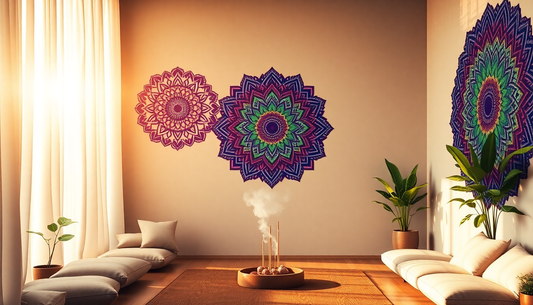
Start with a comfortable seating option—a meditation cushion, yoga mat, or comfortable chair where you can sit with proper posture. Position a mandala artwork or tapestry at eye level where you can gaze upon it during meditation. This focal point will help anchor your attention and deepen your practice.
Add soft lighting through candles, salt lamps, or dimmable lights that create an ambiance conducive to spiritual practice. Incorporate natural elements like plants, stones, or crystals that resonate with your spiritual beliefs. These elements work synergistically with mandala designs to create a multisensory spiritual environment.
Consider adding a small table or shelf for spiritual items—perhaps crystals, incense, spiritual books, or personal mementos that hold meaning for you. Keep the space uncluttered and organized, as physical order supports mental clarity and spiritual focus.
Personalizing Your Sacred Space
Your meditation space should reflect your unique spiritual journey and beliefs. While mandalas provide a universal spiritual framework, personalize the space with elements that resonate deeply with you. This might include religious symbols, photographs of spiritual teachers or loved ones, or objects from nature that hold personal significance.
The colors you choose for your meditation space should promote the mental and emotional states you wish to cultivate. If you seek deep peace and introspection, choose cool colors like blues and purples. If you want to energize your spiritual practice, incorporate warmer tones like oranges and reds. Your mandala selections should harmonize with these color choices.
Mandala Designs for Different Spiritual Practices
Mandalas for Meditation and Mindfulness
Certain mandala designs are particularly effective for meditation practices. Mandalas with intricate, detailed patterns encourage the mind to focus and settle into deeper states of consciousness. The complexity of these designs provides enough visual interest to keep the mind engaged while promoting relaxation.
Mandalas with radiating patterns that move from the center outward are particularly effective for meditation. These designs naturally guide the mind's attention inward toward the center point, supporting the meditative journey from external awareness to inner consciousness. Gazing upon these mandalas before or during meditation can significantly deepen your practice.
Mandalas for Yoga and Movement Practices
For yoga practitioners, mandalas that represent balance and alignment are particularly beneficial. Designs that emphasize symmetry and equilibrium support the physical and mental alignment cultivated in yoga practice. Placing a mandala at the front of your yoga space creates a visual anchor that reminds you of the balance and harmony you're working to achieve.
Mandalas in warm, energizing colors support more dynamic yoga practices, while cooler-toned mandalas complement restorative and yin yoga practices. Consider the style of yoga you practice and select mandalas that energetically align with your practice intentions.
Mandalas for Chakra Balancing
Mandalas designed around the seven chakras offer powerful tools for energy balancing and healing. Each chakra is associated with specific colors and qualities, and chakra mandalas visually represent the alignment and balance of these energy centers. Displaying a chakra mandala in your meditation space supports your chakra balancing work.
Understanding the chakra system enhances your appreciation of chakra mandalas. The root chakra (red) represents grounding and stability, the sacral chakra (orange) governs creativity and sexuality, the solar plexus chakra (yellow) relates to personal power, the heart chakra (green) embodies love and compassion, the throat chakra (blue) supports communication, the third eye chakra (indigo) enhances intuition, and the crown chakra (violet) connects to spiritual awareness.
Mandalas for Manifestation and Intention Setting
Mandalas can be powerful tools for manifestation and intention setting. By selecting mandalas that represent your goals and desires, you create visual reminders of your intentions. Placing these mandalas in prominent locations keeps your focus on what you're working to manifest in your life.
Create a vision board featuring mandalas that resonate with your intentions. Combine mandala designs with images, words, and symbols that represent your goals. This visual representation serves as a daily reminder of your intentions and helps align your energy with your desires.
Mandala Design Styles and Aesthetics
Traditional and Authentic Mandalas
Traditional mandalas rooted in Hindu and Buddhist spiritual practices offer authentic spiritual symbolism and deep cultural significance. These designs often feature intricate geometric patterns, sacred symbols, and color combinations that have been refined over centuries. Incorporating traditional mandalas into your space honors these spiritual traditions and connects you to a lineage of spiritual practice.
When selecting traditional mandalas, consider learning about their specific meanings and origins. This knowledge deepens your appreciation and connection to the designs. Many traditional mandalas are created by artisans who have studied these sacred patterns for years, and purchasing from these sources supports authentic spiritual art.
Contemporary and Modern Interpretations
Contemporary mandala designs reinterpret traditional patterns through modern aesthetics, creating fresh, innovative designs that appeal to contemporary sensibilities. These designs maintain the spiritual essence of mandalas while incorporating modern color palettes, minimalist approaches, and artistic experimentation.
Modern mandalas often blend traditional mandala geometry with contemporary art styles, creating unique pieces that feel both spiritual and current. These designs are particularly effective in homes with modern or eclectic decor, bridging the gap between spiritual practice and contemporary living.
Minimalist Mandalas
Minimalist mandala designs strip away excess detail, focusing on essential geometric patterns and clean lines. These designs create a sense of calm clarity and work beautifully in spaces with minimalist decor. Minimalist mandalas in single colors or limited palettes provide spiritual symbolism without visual overwhelm.
These designs are particularly effective in bedrooms and meditation spaces where you want to promote deep relaxation and mental clarity. The simplicity of minimalist mandalas allows the mind to settle more easily, supporting meditation and contemplative practices.
Colorful and Vibrant Mandalas
Vibrant, multi-colored mandalas celebrate the full spectrum of spiritual symbolism represented through color. These designs energize and uplift, creating spaces that feel alive and spiritually dynamic. Colorful mandalas work well in living rooms, creative spaces, and areas where you want to cultivate joy and vitality.
The variety of colors in these designs represents the diversity of spiritual experience and the richness of the spiritual journey. Displaying vibrant mandalas reminds you that spirituality encompasses the full spectrum of human experience and emotion.
Practical Tips for Displaying Mandala Designs
Optimal Placement and Positioning
The placement of mandala designs significantly impacts their effectiveness in your space. For meditation and spiritual practice, position mandalas at eye level where you can easily gaze upon them. In bedrooms, consider placing mandalas on the wall opposite your bed so you see them as you wake and before sleep.
In living rooms and common areas, position mandalas where they naturally draw the eye and create visual interest. Avoid placing mandalas in cluttered areas where they might be visually overwhelmed by other elements. Give them space to breathe and command attention.
Consider the lighting in your space when positioning mandalas. Natural light can beautifully illuminate mandala designs, while strategic artificial lighting can create dramatic effects. Avoid placing mandalas in direct sunlight for extended periods, as this can fade colors over time.
Framing and Presentation Options
The way you frame and present mandala designs affects their visual impact and longevity. Quality framing protects artwork from damage while enhancing its presentation. Consider frames that complement your decor—minimalist frames for contemporary spaces, ornate frames for traditional settings, or natural wood frames for eclectic environments.
Canvas prints offer a modern, gallery-like presentation that works well in contemporary homes. Tapestries provide a softer, more bohemian aesthetic. Unframed prints can be mounted directly on walls for a clean, minimalist look. Choose presentation methods that align with your overall decor style and personal preferences.
Lighting Considerations
Proper lighting enhances the beauty and spiritual impact of mandala designs. Soft, warm lighting creates an intimate, meditative atmosphere, while brighter lighting showcases the intricate